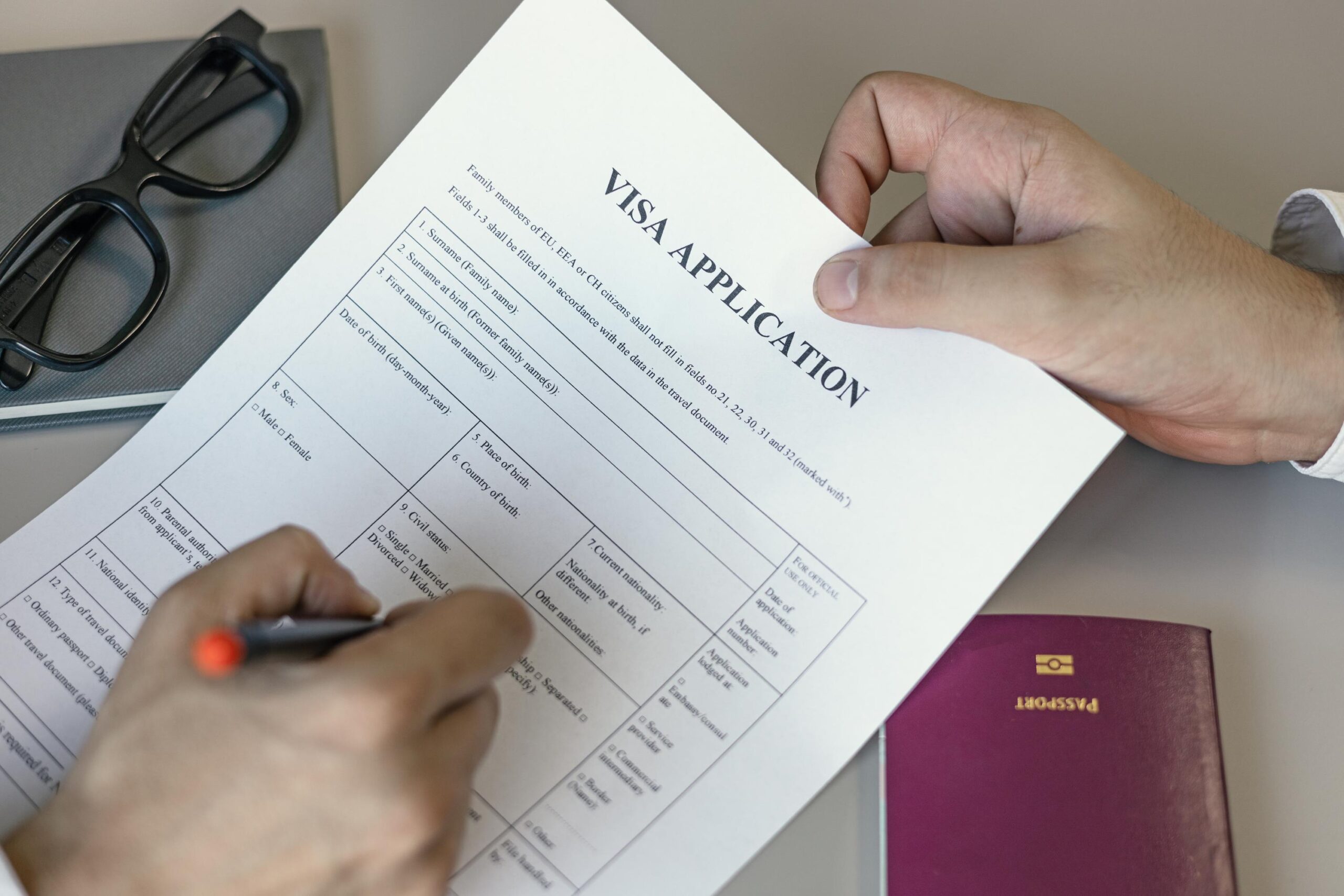
Choosing the right Australian visa pathway can feel like navigating a maze with no clear exit. You want to avoid costly mistakes that lead to refusal, but sorting through partner, employer sponsored, student, parent, or citizenship options can quickly become overwhelming. This guide breaks down how to identify your best visa match before you lodge, helping you build a strong case and move forward with confidence. Ready to take the guesswork out of your visa journey? Click here to learn more about your options.
Understanding Australian Visa Pathways
Navigating the Australian visa system can be daunting, given the numerous choices available. Understanding the options is the first step toward making an informed decision.
Common Visa Types Explained
Australia offers various visas tailored to different needs. Whether you’re looking to study, work, or settle with family, each visa type has specific criteria. A comprehensive guide on Australian visa types provides insights into which might fit your circumstances.
Student visas are designed for those pursuing education in Australia. They require proof of enrolment and financial capability. Work visas, including employer-sponsored and skilled migration options, are available for individuals bringing valuable skills to the Australian workforce. Family and partner visas allow family members to join their loved ones in Australia, while parent visas cater to those wishing to reunite with their children. Lastly, those seeking to make Australia their permanent home can explore citizenship pathways. Each option requires careful consideration of your personal situation.
Partner or Spouse Visa Options
Partner visas enable Australians to bring their significant others to the country. These visas have criteria like proving the authenticity of the relationship and passing health and character checks. Preparing documents thoroughly can make this process smoother.
If you’re considering a partner visa, it’s crucial to gather detailed evidence of your relationship. This includes photos, joint bills, and travel histories that demonstrate a genuine connection. Remember, authenticity is key; the Department of Home Affairs scrutinises these applications closely. Seeking assistance from a registered migration agent can help ensure your application reflects your relationship accurately and comprehensively.
Employer Sponsored and Skilled Visas
Australia values skilled workers and offers pathways for those with talents that fill national skill gaps. Employer-sponsored visas require a job offer from an Australian company, which then sponsors your application. Meanwhile, skilled migration visas assess your qualifications, work experience, and English proficiency.
Understanding which skills are in demand is crucial. Resources such as the Reddit guide for skilled visa applicants can provide insights into the process. The key is aligning your skills with Australia’s needs, which can increase your chances of a successful outcome.
Reducing Visa Refusal Risk
A rejected visa can be disheartening. Fortunately, there are steps you can take to lower this risk significantly.
Importance of Clear Eligibility Checks
Before applying for any visa, it’s crucial to verify your eligibility. Each visa type has specific requirements, and failing to meet them can lead to refusal. A thorough eligibility assessment helps identify the right pathway for your circumstances.
Ensuring that you meet eligibility criteria involves examining aspects like age, occupation, and language proficiency. This assessment gives you a clear picture of where you stand, allowing you to address any gaps before lodging your application. Seeking professional help can provide clarity, ensuring you’re on the right path from the start.
Preparing Strong Evidence
Supporting evidence is the backbone of a successful visa application. Whether it’s proof of relationship, employment contracts, or financial documentation, comprehensive evidence boosts credibility.
To compile strong evidence, focus on accuracy and relevance. Make sure documents are up to date and directly support your claims. Including a variety of formats—such as photos, letters, and legal documents—can paint a complete picture. Consulting with a migration expert can guide you in presenting the best possible case.
Navigating the Department of Home Affairs
Understanding the processes and expectations of the Department of Home Affairs is essential. Their requirements can be stringent, and knowing how to navigate the system reduces delays and enhances your application’s chances.
Keeping abreast of policy changes and maintaining clear communication with the department is important. A migration agent can assist in this, acting as a liaison between you and the department. This support can help ensure your application is lodged correctly and in a timely manner.
Seeking Professional Support
Partnering with a migration agent can make a huge difference in your visa journey.
Benefits of a Registered Migration Agent
A registered migration agent offers expertise and guidance throughout the application process. Their knowledge of migration laws and requirements ensures your application is complete and accurate.
Agents provide tailored advice based on your unique circumstances. They help you avoid common pitfalls and maximise your chances of success. With a professional on your side, you can navigate the visa process with confidence, knowing that every detail is accounted for.
Fixed-Fee Services and Transparent Pricing
The financial aspects of migration can be stressful. Opting for a fixed-fee migration agent ensures you know exactly what you’ll pay, with no hidden surprises.
Transparent pricing allows you to budget effectively, giving you peace of mind. This approach aligns with a commitment to ethical practice, making professional migration help accessible and affordable.
Contacting Vital Migration Australia for Assistance
To ease your migration journey, consider reaching out to Vital Migration Australia. Their team provides compassionate, expert support to help you through every step of the process, from eligibility checks to final lodgement.
Frequently Asked Questions
What is the most common visa rejection reason?
The most common reason for visa rejections is incomplete or incorrect documentation. Ensure all information provided is accurate and supported by relevant evidence.
How can a migration agent improve my application?
A migration agent offers expert advice, ensuring your application meets all legal requirements. They help gather correct documentation and provide insights into the process, improving your chances of approval.
What are fixed-fee services in migration assistance?
Fixed-fee services mean you pay a set price for the migration agent’s assistance, avoiding unexpected costs. This transparency helps you plan financially without surprises.
Do I need a visa to work in Australia?
Yes, if you’re not an Australian citizen or permanent resident, you need a relevant work visa to legally work in Australia. Options include employer-sponsored or skilled migration visas.
Can I appeal a visa refusal?
Yes, you can appeal a visa refusal through the Administrative Appeals Tribunal (AAT). Consulting with a migration agent can provide guidance on how to proceed with an appeal.