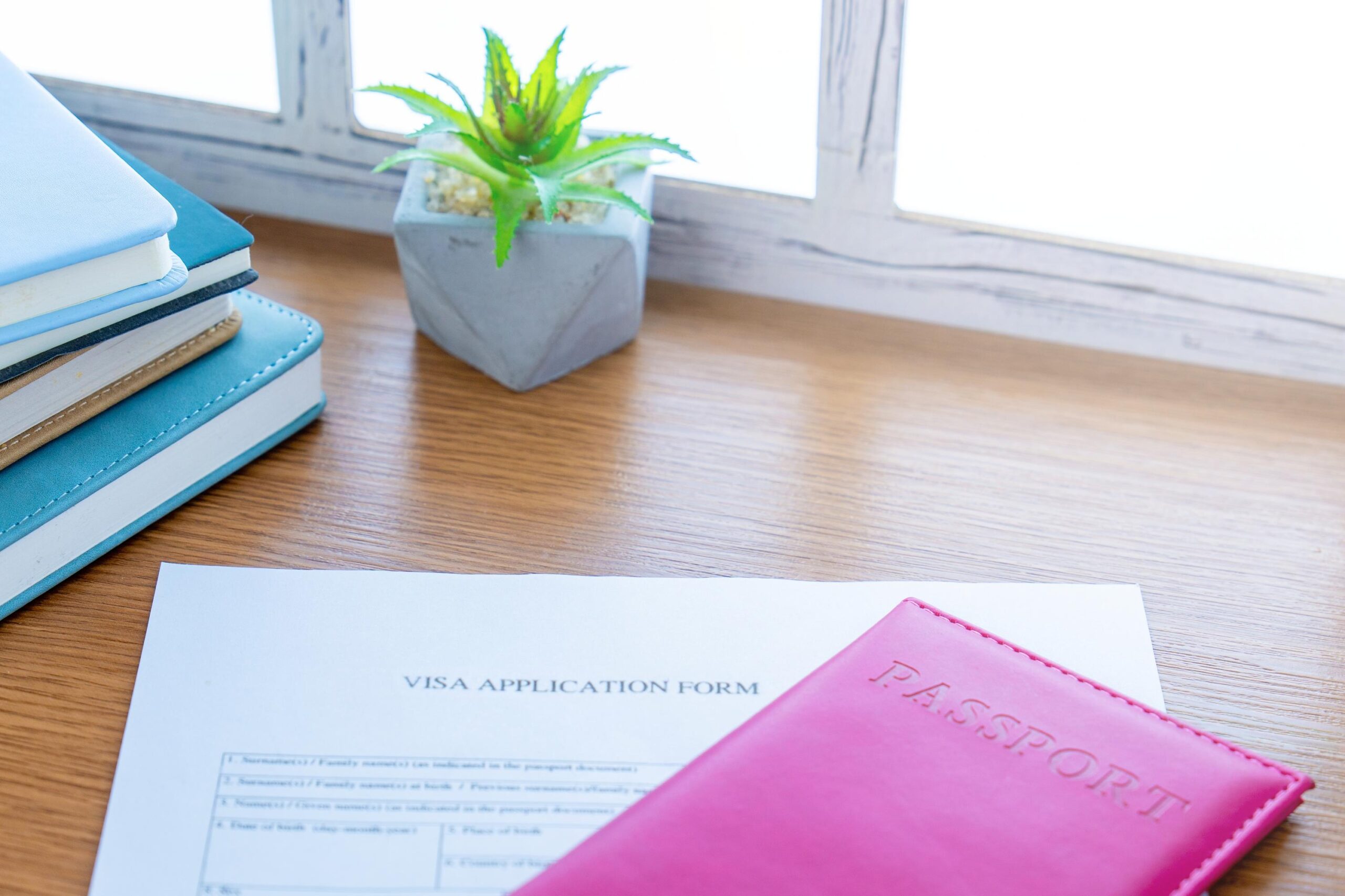
Most people think Australian citizenship preparation means endless forms and confusing rules. You’re not alone if the thought of the citizenship test or interview feels overwhelming. Let me show you a clear, step-by-step plan that cuts through the noise, avoids common mistakes, and makes the path to citizenship straightforward. Ready to become an Aussie—without the stress? Book Now for a free 15-minute eligibility check and fixed-fee quote. Get Started here.
Preparing for Citizenship
If you’re aiming to become an Australian citizen, understanding the journey ahead is crucial. Let’s dive into the essentials, beginning with eligibility and requirements.
Understanding Eligibility and Requirements
To start, you need to know if you qualify for Australian citizenship. Eligibility depends on factors like residency status and your commitment to Australian values. Permanent residents and eligible New Zealand citizens are the primary candidates. It’s important to understand the residence requirement for citizenship, which typically includes living in Australia for four years, including 12 months as a permanent resident. The good character requirement in Australia is also key, ensuring applicants have a clean record. Department of Home Affairs citizenship provides detailed guidelines on these requirements. Knowing these basics sets a clear foundation for your application.
Navigating the Application Process
Once you confirm eligibility, the next step is submitting your application. This can be done through the immiAccount citizenship application portal. Prepare by having all necessary documents ready, such as your identity declaration, using Form 1195. Don’t forget to check your travel history, which can impact your application. If you’re a New Zealand citizen, follow the specific NZ citizen Australian citizenship pathway guidelines. This process might seem daunting, but breaking it down into manageable steps makes it easier.
Common Mistakes to Avoid
Avoid common pitfalls like incomplete forms and missing documents. Many applicants forget to provide comprehensive travel history evidence for citizenship, which can delay processing times. Ensure your application is complete to prevent unnecessary delays. Be mindful of the details, like accurate name records and any previous name changes. Missing these can complicate your application. A small mistake could mean a longer wait for your citizenship ceremony in Australia.
Essential Documents and Checks

Gathering the correct documents and completing necessary checks are vital steps in your citizenship journey. Here’s how to tackle this section smoothly.
Gathering Required Evidence
Collecting evidence might sound tedious, but it’s crucial for a successful application. You’ll need documents proving your identity, residency, and character. This includes a completed Form 1195 identity declaration, which requires a signature from a person who has known you for at least a year. Ensure all documents are up to date; any outdated information can cause hitches in your application process.
Police Checks and Timing
Your application requires police checks from countries you’ve lived in for more than a year. The AFP police check for citizenship is a must if you’ve spent time in Australia. If you’ve lived overseas, obtaining an overseas police certificate for Australia is essential. Timing is key here; these checks can take time, so apply for them early to avoid delays in your overall application timeline.
Managing Travel History and Names
A thorough record of your travel history is needed. This helps confirm your residency periods in Australia. Double-check your records to ensure they match official documentation. If you’ve had any name changes, provide legal evidence to support these changes. Accurate records are crucial to avoid any complications during the application review.
Test and Interview Readiness

The citizenship test and interview are significant steps. Being well-prepared will boost your confidence and increase your chances of success.
Study Tips for Citizenship Test
Preparing for the citizenship test doesn’t have to be stressful. Start by accessing official resources like the Australian Citizenship Test app and the Our Common Bond guide. Focus on key areas like Australian history, values, and government structure. Joining study groups, such as those on Reddit, can offer additional insights and support. Consistent practice is your best tool for success.
Confidence in Citizenship Interview
Feeling confident in your interview is essential. Approach it as a chance to demonstrate your commitment to Australian values. Practice common questions and consider mock interviews with friends to build confidence. Remember, the interview is a conversation, not an interrogation, so clear communication and calmness are your allies.
Addressing Complex Situations
Some applicants face complex issues, like lengthy travel histories or name discrepancies. It’s crucial to address these upfront. Document every detail and consider seeking expert advice if you’re unsure how to navigate these challenges. Professional guidance can clarify these complex situations and ensure your application remains on track.
Frequently Asked Questions
What is the residence requirement for Australian citizenship?
The residence requirement typically involves living in Australia for four years, including 12 months as a permanent resident, and being absent for no more than 90 days in the last year.
How do I prepare for the Australian citizenship test?
Use official resources like the Australian Citizenship Test app and Our Common Bond guide. Join study groups and practice regularly to build confidence.
What documents are needed for an Australian citizenship application?
You’ll need identity proof, residency evidence, and character documents, including a Form 1195 identity declaration and police checks from relevant countries.